

Biological Dentistry
For many years, dentistry was seen primarily as a field dedicated to treating cavities, replacing missing teeth, and improving the aesthetics of a smile. Today, the scientific evidence points to a broader reality: oral health is deeply connected to the body's overall balance and can influence multiple systems throughout the organism.
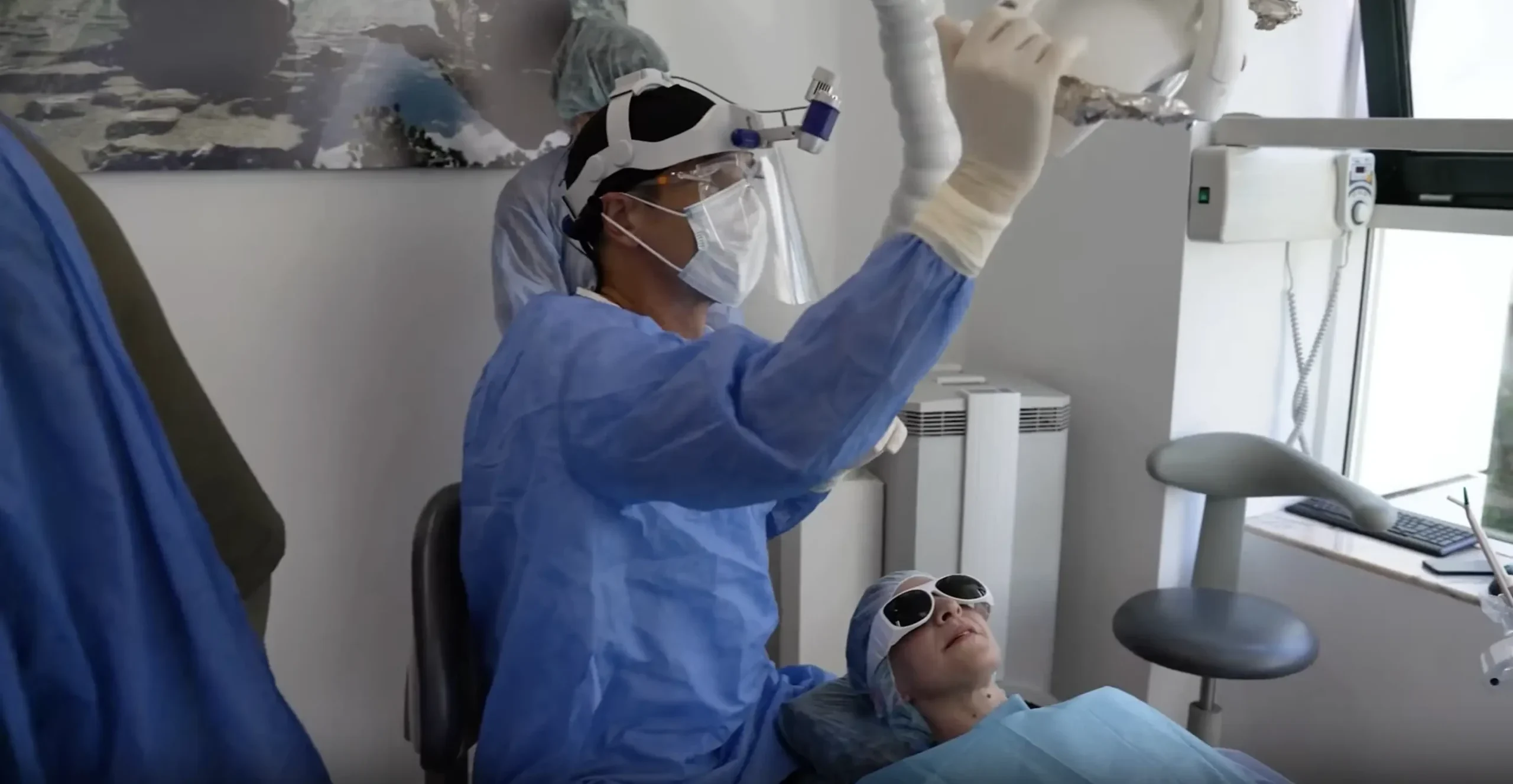
This is the foundation of biological dentistry, an approach that integrates oral health into the patient's global wellbeing, seeking to understand how oral inflammation, the microbiome, and dental materials can affect general health.
At White Clinic, founded in 1999 by Dr. Miguel Stanley, this philosophy has been central to clinical practice from the start. Our goal is not simply to treat teeth, but to help each patient achieve a better quality of life.
What is biological dentistry?
Biological dentistry is not an alternative to conventional dentistry. It is a way of practising it grounded in scientific evidence, recognising the connection between oral health and general health, and seeking to understand not only the problem, but its underlying causes and its impact on the body as a whole.
This approach is built on clear principles:
- In-depth diagnosis before any treatment
- Reduction of chronic inflammation wherever possible
- Maximum preservation of natural tissues
- Careful use of biocompatible materials, when clinically indicated
- Integration between dentistry, integrative medicine, and other areas of health
The goal is not merely to restore teeth, but to create the conditions for the oral cavity to contribute to long-term health.
How can the mouth influence the rest of the body?
The mouth is one of the most complex microbial ecosystems in the human body. The oral microbiome is composed of hundreds of bacterial species that, when in balance, help protect the oral tissues.
When that balance is disrupted, for example, due to periodontal disease, persistent infections, or poor oral hygiene, chronic inflammatory processes can develop. In certain circumstances, bacteria and inflammatory mediators enter the bloodstream and trigger responses that extend well beyond the mouth.
Over recent decades, numerous studies have identified associations between oral inflammation and various systemic conditions.2 A 2022 umbrella review of nearly 300 meta-analyses found oral diseases strongly associated with 28 non-communicable diseases,1 including:
- Cardiovascular disease
- Type 2 diabetes
- Rheumatoid arthritis
- Certain neurodegenerative diseases
- Some autoimmune conditions
This is the essence of oral-systemic health: understanding the mouth not as an isolated cavity, but as an active participant in the body's overall equilibrium.
Why has this approach gained more relevance now?
For a long time, dentistry evolved separately from general medicine, favouring a view centred on the mechanical aspects of treatment. As scientific research advanced, the impact of oral inflammation, the microbiome, and the biocompatibility of materials on overall health became increasingly clear.
Biological dentistry represents a return to an integrated vision, one in which the dentist considers the patient's full clinical context before defining any treatment plan. It is not a new trend, but a natural evolution of what rigorous, evidence-based dental practice should always have been.
How White Clinic practises biological dentistry
Diagnosis always comes before treatment.
The White Clinic approach
Before any intervention, we carry out a comprehensive evaluation to identify not only visible problems, but also factors that may compromise oral and systemic health in the medium and long term.

What a first consultation may include
- Detailed analysis of clinical history
- Functional evaluation of the oral cavity
- Cone Beam Computed Tomography (CBCT)
- Digital intraoral scan
- Airway assessment
- Orthodontic evaluation
- Chair-side measurement of vitamin D levels
- Salivary tests for early detection of inflammatory markers, such as active MMP-8
This approach allows us to detect alterations that a routine check-up is not designed to look for, and to build genuinely personalised treatment plans.
More than resolving an immediate problem, we seek to understand how each clinical decision can help preserve function, reduce chronic inflammation, and promote the patient's overall health.
Materials: considered, not dogmatic
White Clinic is a mercury-free practice, and old amalgam fillings are removed under a protective protocol. We do not consider titanium harmful for everyone: in selected cases, such as patients with a history of metal reactions or autoimmune conditions, we may recommend metal hypersensitivity testing, and ceramic implants are available where they are the better choice. Nor are we against root canal treatment: a well-performed root canal can save a tooth.
Revision Dentistry: why reviewing past treatments also matters
Many patients assume that a crown, an implant, or a dental restoration will last indefinitely. In practice, dental treatments age too: materials wear, tissues change, and dentistry evolves, bringing more conservative and biocompatible solutions. Not all dental work is carried out to the same standard, and much of what we assess was placed years or decades ago, with different techniques and materials.
This reflection gave rise to the concept of Revision Dentistry, developed by Dr. Miguel Stanley. Just as hip replacements and pacemakers are monitored over time, this approach advocates for the periodic reassessment of oral health, using advanced diagnostic technology.
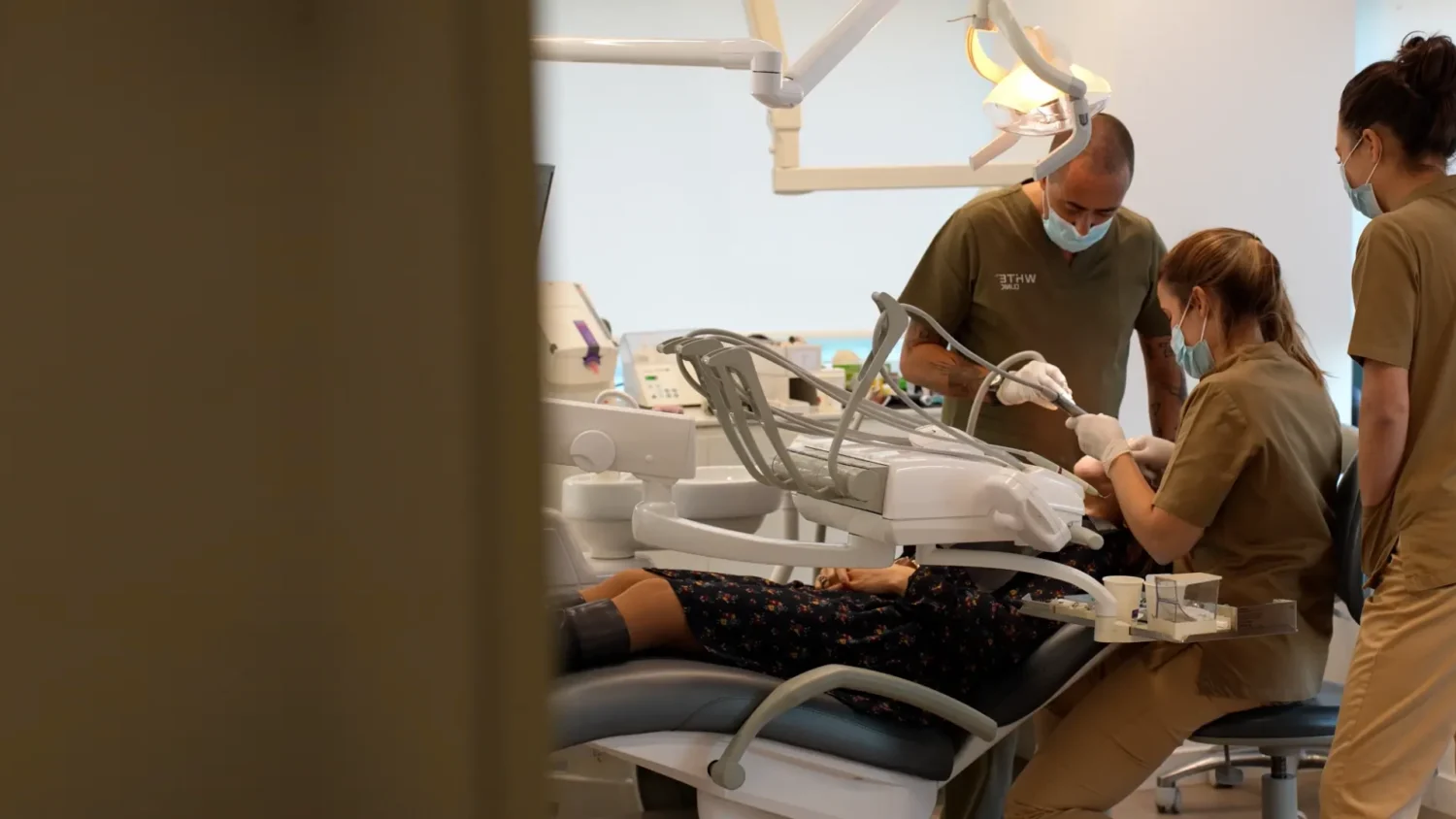
The goal is not to replace treatments unnecessarily. The age of a restoration alone is not a reason to replace it. The aim is to identify early signs of infiltration, silent inflammation, or bone changes that can progress without symptoms for years. When detected in time, they allow for more conservative and predictable interventions.
Biological dentistry and longevity
Talking about longevity is not simply about living longer. It is about living better. The ability to chew correctly, maintain healthy tissues, and control chronic inflammatory processes directly influences quality of life throughout ageing. Reducing sources of oral inflammation can form part of a global health strategy, working in conjunction with other areas of medicine.
At White Clinic, this approach translates into personalised dentistry, supported by rigorous diagnosis, advanced technology, and a multidisciplinary team with a global vision of health.
Why choose a biological dentist?
Choosing a dentist who practises biological dentistry does not mean seeking an alternative approach. It means choosing a dentist who values diagnosis, prevention, and the relationship between oral health and general health.
At White Clinic, every treatment plan is developed individually, taking into account the patient's clinical history, oral function, risk factors, and the systemic impact of each clinical decision. This is what some call holistic dentistry: not a philosophy disconnected from science, but a more complete way of caring for the patient.
Caring for the mouth is caring for your health
The evidence increasingly shows that the mouth cannot be viewed in isolation. Prevention, early diagnosis, and the control of oral inflammation play an important role in health and quality of life. Biological dentistry places the patient at the centre of clinical decision-making and seeks to understand the causes of problems before defining any treatment.
At White Clinic, this philosophy is part of our daily practice. If you would like to better understand the relationship between your oral health and the rest of your body, the first step is a consultation.
Frequently asked questions about biological dentistry
What distinguishes biological dentistry?
It integrates conventional dentistry with a broader vision of health. Beyond treating dental problems, it values diagnosis, prevention, and the relationship between the mouth and the body.
Does biological dentistry have a scientific basis?
The association between oral inflammation, periodontal disease and several systemic conditions is supported by a substantial and growing body of research, although much of it shows association rather than direct cause. We work from that evidence and are clear with patients about where it is strong and where it is still developing.
Does a biological dentist in Lisbon perform the same treatments?
Yes. White Clinic, in Miraflores (Oeiras), just outside Lisbon, is also a full family practice. The difference lies in the clinical approach, which includes a more complete evaluation of oral and general health before any treatment is defined.
Who can benefit from this approach?
Anyone seeking a more comprehensive evaluation, particularly patients with recurring gum inflammation, periodontal disease, multiple dental treatments, or chronic systemic conditions.
Does White Clinic evaluate treatments carried out at other clinics?
Yes. Our team can review previous treatments and assess their stability, functionality, and suitability for the patient's current needs.
References
- Botelho J, Mascarenhas P, Viana J, et al. An umbrella review of the evidence linking oral health and systemic noncommunicable diseases. Nature Communications. 2022;13:7614. doi.org/10.1038/s41467-022-35337-8
- Herrera D, Sanz M, Shapira L, et al. Association between periodontal diseases and cardiovascular diseases, diabetes and respiratory diseases: Consensus report of the Joint Workshop by the EFP and WONCA Europe. Journal of Clinical Periodontology. 2023;50(6):819–841. doi.org/10.1111/jcpe.13807
- Simpson TC, Clarkson JE, Worthington HV, et al. Treatment of periodontitis for glycaemic control in people with diabetes mellitus. Cochrane Database of Systematic Reviews. 2022;4:CD004714. doi.org/10.1002/14651858.CD004714.pub4
Author: White Clinic clinical team
Understand how your oral health connects to the rest of your body. Book a consultation at White Clinic, Miraflores, Oeiras (Lisboa).
Book a consultationOr call (+351) 21 396 2727